5 IoT outsourcing development trends 2023
January 5, 2022 · CognitiveClouds Editorial Team · 4 min read
The IoT industry has rapidly advanced in the past decade, and connected devices that only had limited functionality can accomplish far more today. Gartner, IDC, Forbes, and other Industry experts and market research companies have rightly predicted that investment in IoT systems and devices will touch as much as $1 trillion by 2022. The IoT market size is now projected to reach more than $2 trillion annually in the coming 4 years.
Tangible change in the IoT landscape will be visible this coming year. Companies that want to stay up-to-date need to be ready for the new wave of outsourcing. Partnerships between outsourced developers or teams and enterprises will matter as much as the competence of an outsourcing partner from here on out. Read on to see what else our team believes the future holds for IoT.
Value over cost
Market forces strongly indicate that both providers and buyers will be shaking on outsourcing contracts, based on outcomes and value in the coming year, with the pandemic having accelerated market trends. With firms finding it harder to hire talented developers in recent years, the software development industry has experienced a skills gap. And so, the demand for software outsourcing has increased, with businesses choosing to work with specialist providers remotely.
Not only can software outsourcing to competent firms improve the efficiency of a project, but it also frees up company resources, allows for flexibility, mitigates risk, thereby improving the overall quality of the product. Outsourcing is a cost-effective alternative to recruiting full-time developers, and this holds true today. However, for companies making outsourcing decisions, the cost is becoming less important. Product quality is increasingly becoming the driving factor in outsourcing over the reduced price. Customer experience, business expansion, and improved security are the priorities today when it comes to outsourcing IoT development.
The market will be open to different business models.
Outsourcing firms will share responsibility, making the contracts outcome-based. Outsourcing software providers are no longer seen as 'engineers for hire.' Today, outsourced developers are looked at, more as strategic business partners that help enhance your market reputation by growing your business. Companies need to continually bring new products to market and innovate to stay ahead of competitors. Outsourcing IoT development ensures that projects are launched on time and completed efficiently. Ambitious companies are placing offshore software developers at the forefront of their business models to get ahead in the marketplace.
Industrial IoT will be a focal point.
In the past 4-5 years, though the consumer IoT market has seen immense investment, the promise of Industrial IoT hasn't been met. According to a Cisco study, barely 30 percent of C-suite executives could name one of their many IIoT initiatives that became a success. Chances are, this year we'll witness a shift of focus to improve industrial IoT. We may well see IoT being used to resolve problems in transportation, agriculture, telecommunications, and insurance, what with the capital expenditure of deploying the tech plummeting.
Mandatory security regulations
IoT developers are now considering long-term deployment and management of devices and systems, while regulators are putting more serious thought into how, if the proclaimed foolproof cybersecurity measures fall short, IoT product developers will handle the situation.
It has been difficult for companies to recover the costs that they incur in implementing high-security tools and measures in consumer IoT devices. Meaning, they have poor incentives to ensure security and may compromise security to cut costs. This means that it has become necessary to introduce regulations to make it mandatory. We will soon see many governments recognizing these threats and making security implementation mandatory.
Recognize the value in edge computing
Securing IoT devices demands more than just securing that particular device. You'll have to build security protocols in the software application, and the network connections used to connect those devices. Any connected device is a potential security risk.
IoT devices have relied on the cloud to store data. However, IoT manufacturers and developers are starting to see the utility of storing, calculating, and analyzing data to the limit. Meaning, the data is first transferred to the edge of the network or a local device located closer to the IoT device instead of sending all the data from the IoT device to the cloud. This local storage device must sort, filter, then calculate the data and then send only a part of the data or even all to the cloud, potentially decreasing the traffic to the network. This approach, known as edge computing, has many advantages. It reduces dependency on the cloud and helps applications perform faster, reducing latency. It helps better manage the large amount of data that each device sends.
The IoT application works even when connectivity to the cloud is affected and consumes less bandwidth by collecting and processing data locally. Decreased cloud participation reduces connectivity costs and allows for better security practices. 2022 will see wider adoption of such measures.
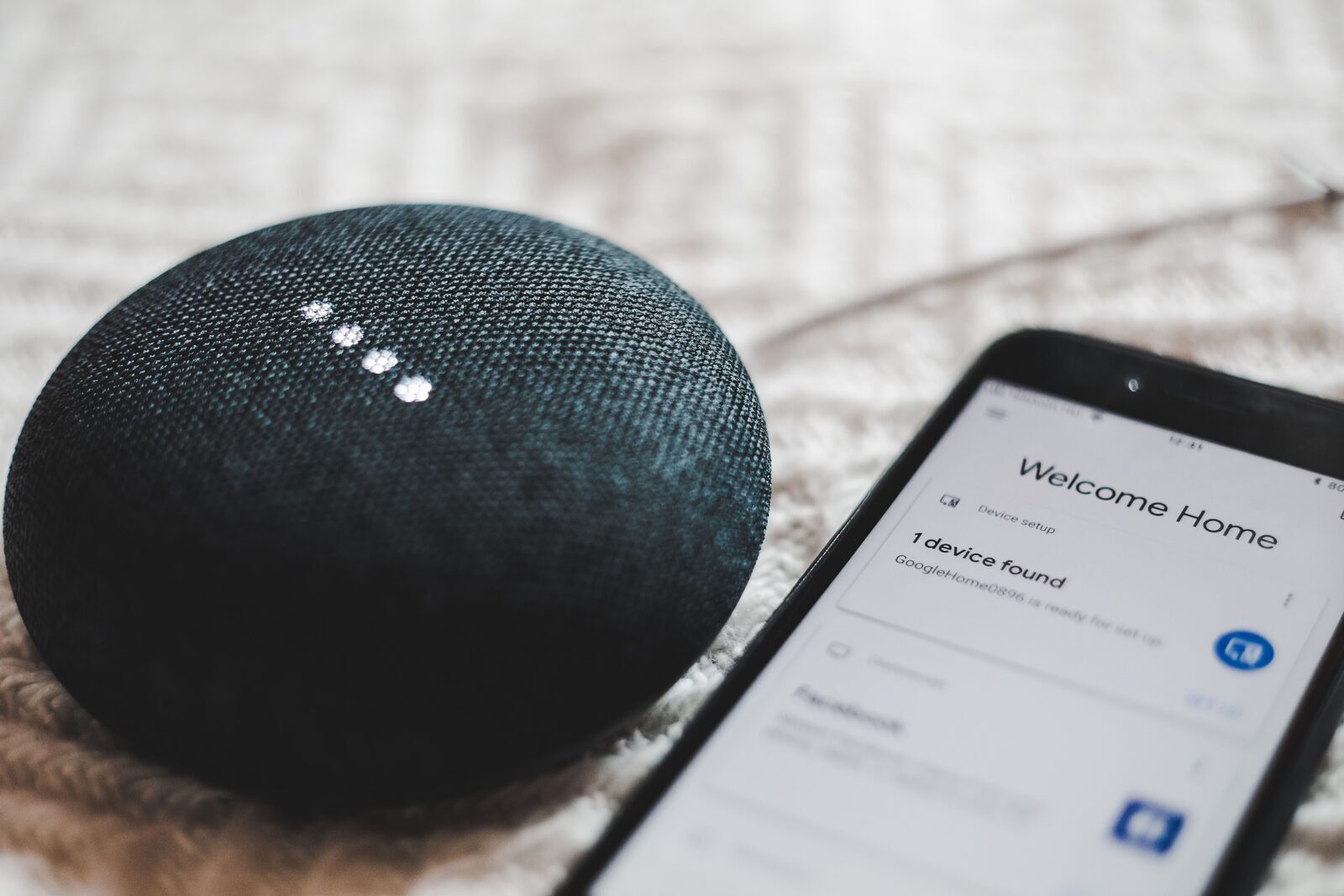
Outsourcing IoT development will grow as companies are finding it increasingly difficult to hire qualified staff to meet their product development needs. Outsourcing software needs help firms to bridge this skills gap by giving access to talent across the world.
Although the IoT market undoubtedly is poised for rapid growth in the future, with more and more platforms entering the fray, IoT, the technology itself, will see a much steadier rate of growth than the explosive one we have witnessed so far. Many firms are struggling to deal with fragmentation and security problems today that will have to be resolved before we take any more leaps. Of course, new technologies will emerge, making IoT easier to use, more intuitive, but to a large degree, since the risk to customer data will also increase, manufacturers will have to work harder to protect their connected devices. But the future is definitely promising. In the wider business landscape, as the Internet of Things (IoT) starts to take hold, more and more companies will rely on the services of competent software providers. As a technology, IoT will continue to provide companies with significant financial opportunities.
Keep reading.
IoT & Connected Products
SaaS Application Development for the Industrial Sector
Explore the benefits and techniques of SaaS application development for the industrial sector. Learn how SaaS solutions can drive efficiency and innovation.
June 27, 2024
IoT & Connected Products
Node vs. Ruby vs. Python for IoT Application Development
It can get hard to pick a tech stack for your project. We decided to compare three renowned programming languages to help with that. Once we get to the end of this, you should come away with a better idea of what (Pytho…
March 18, 2024
IoT & Connected Products
IoT Application Development Guide
There is no doubt that the Internet of Things is the next big tech trend that will be hitting businesses around the globe, and revolutionizing the way we interact with our world. With the ability to incorporate a vast v…
November 20, 2023
Want this applied to your own build?
Start with a free Agent Readiness Assessment — a concrete read on whether your codebase is ready for AI-assisted delivery, and where the leverage and risk are.