

Case study
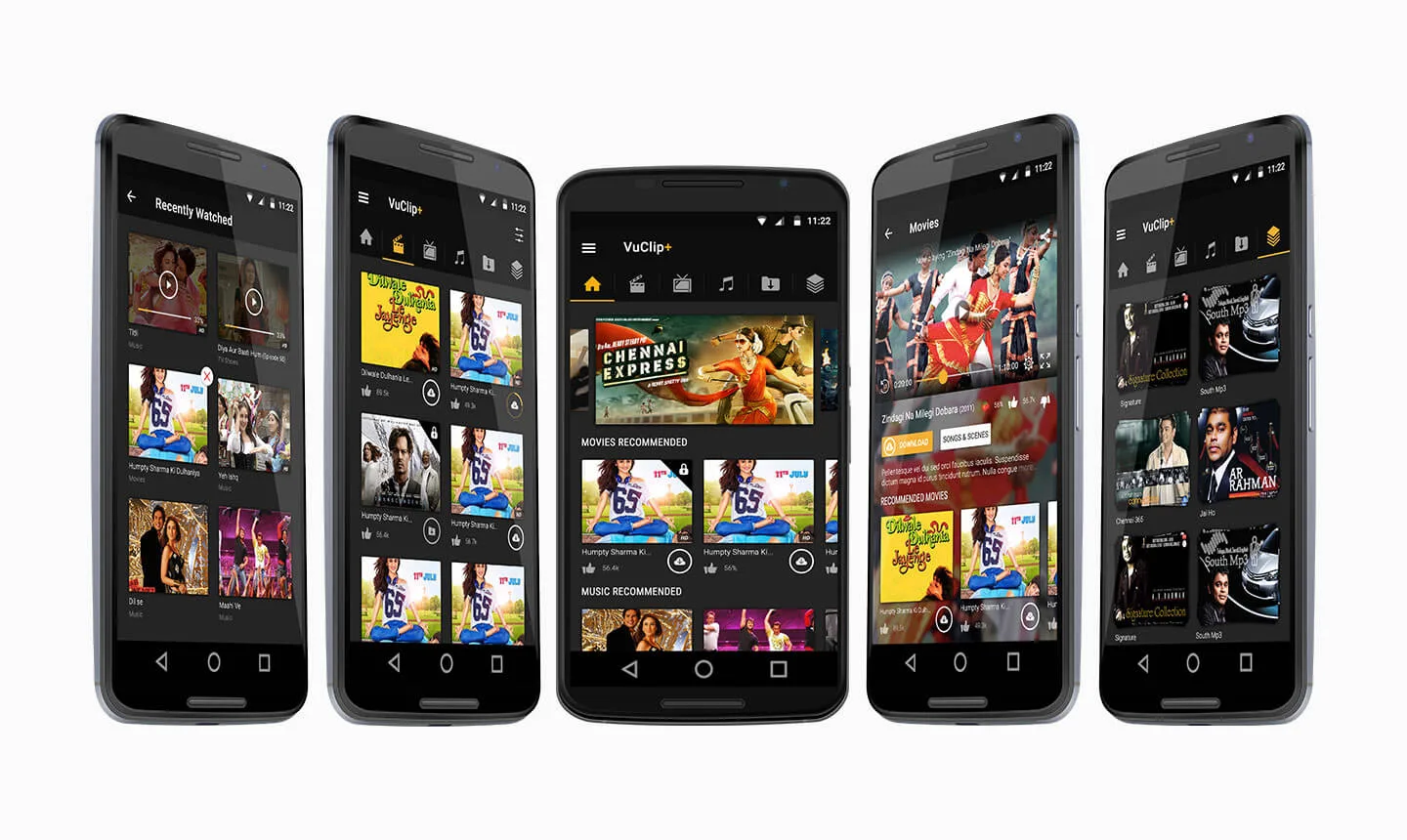
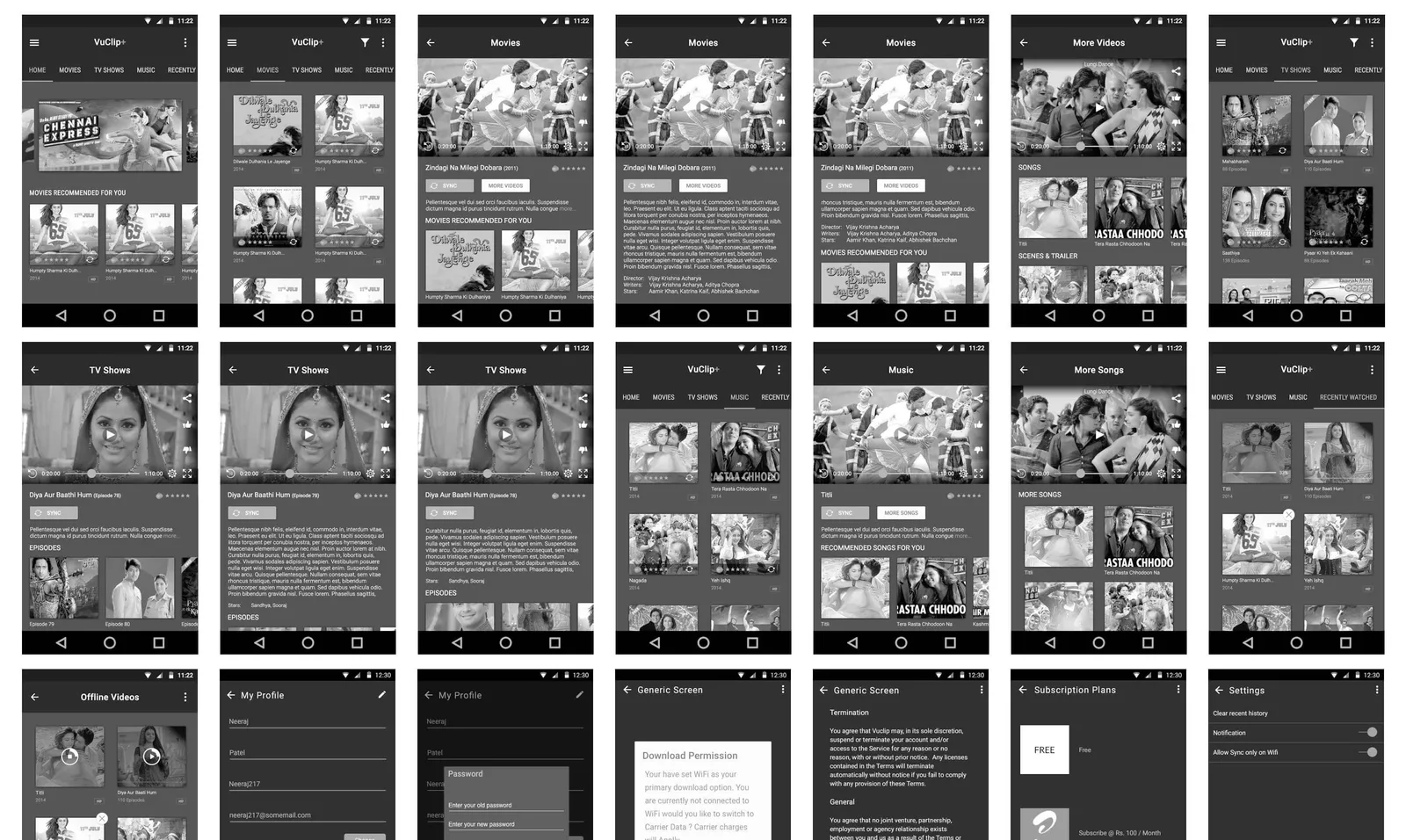
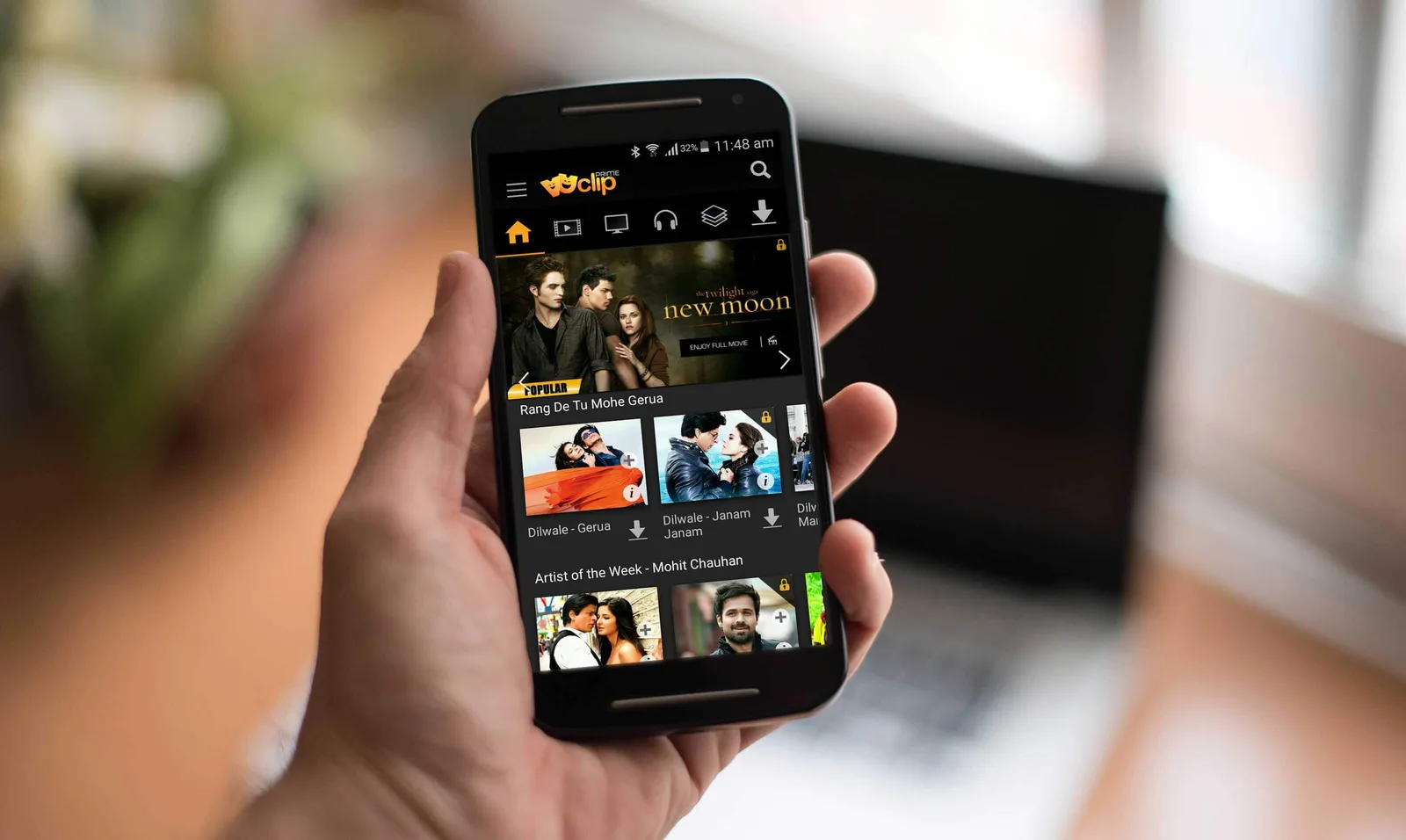
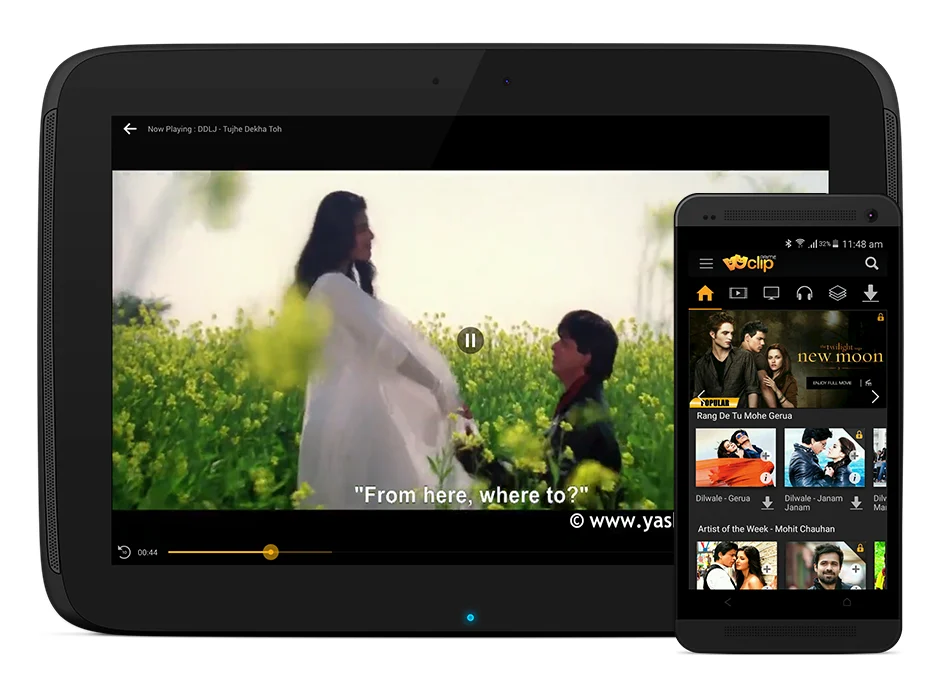
Vuclip built its business on mobile video in mobile-first markets, funded by advertising and partnerships. To add premium subscription revenue, it needed a paid product worth subscribing to. We designed and developed Vuclip Prime for Android phones and tablets, with HD streaming of movies, television and music videos, and downloads for offline viewing.
The challenge
Vuclip's audience watched on phones, often on networks that couldn't be counted on for a full film. A subscription only makes sense if the content is there when people want it, connection or not. So the app had to combine two things that pull in different directions: a paid relationship with clear access rules, and a viewing experience that works on and off the network.
What we built
Subscription and playback as one journey
Vuclip Prime tied premium access directly to playback. Subscribers could browse the catalog and start watching in HD without the app feeling like a billing system with a player attached.
Offline viewing as a core feature
Downloads let subscribers save videos and watch later without a connection. In Vuclip's markets, that made the subscription something people could rely on during a commute or in a patchy coverage area. It also meant handling phone and tablet storage, content rights and periodic checks that a download was still allowed.
Native on phones and tablets
We designed and developed the app for both form factors, so the catalog and playback felt right whether a subscriber held a phone or a larger screen.
How the product flow fits together
How a subscriber goes from opening Vuclip Prime to watching, online or offline.
Conceptual workflow
- User or operator
- Product experience
- Business workflow
- External or internal data/services
- Visible outcome or operational record
What changed
Vuclip launched a premium subscription product alongside its advertising business, opening a new paid revenue channel. Vuclip Prime passed 100,000 Google Play installs after closed beta. Ramesh May, VP Product at Vuclip, spoke about the work.
How we'd build this today
How we would build this today with Cortex
Cortex arrived years after Vuclip Prime shipped. Building the same app today, we would focus on the moments where streaming apps usually let subscribers down.
- Test the bad network first. We would script interrupted downloads, dropped streams and slow connections, and run them on real Android phones and tablets for every release.
- Turn content rights into automatic checks. Expiry dates and download limits agreed with content owners would become tests, so a rights change can't slip through unnoticed.
- Keep subscription changes consistent. Upgrades, lapses and renewals would be tested end to end, so the catalog always matches what a subscriber has paid for.
- Use AI to widen test coverage. Cortex can generate unusual playback and storage scenarios; our engineers review which ones matter and run them on devices.
What the tests would check
- A lost connection leaves a download resumable or clearly failed
- A subscription change shows up the same way on every screen
- Offline videos expire exactly as the content agreement says
- A full phone never quietly deletes someone's downloads
Frequently asked questions
What did CognitiveClouds build for Vuclip?
Vuclip Prime for Android phones and tablets: premium HD streaming of movies, television and music videos, plus offline downloads.
Why did offline viewing matter so much?
Vuclip's audience was mobile-first and often on unreliable networks. Downloads made a paid subscription useful even without a steady connection.
Was Cortex used on the original project?
No. Vuclip Prime was built before Cortex; the Cortex section is about how we would work today.
Further reading
Building a subscription or media app for mobile-first audiences? We start with how your viewers actually watch, and what happens when the network drops.
Read next: More of our work · How we deliver today · Inside Cortex